July 23, 2026
June 15, 2026
Wholesale distribution ERP: The top ERP systems for 2026
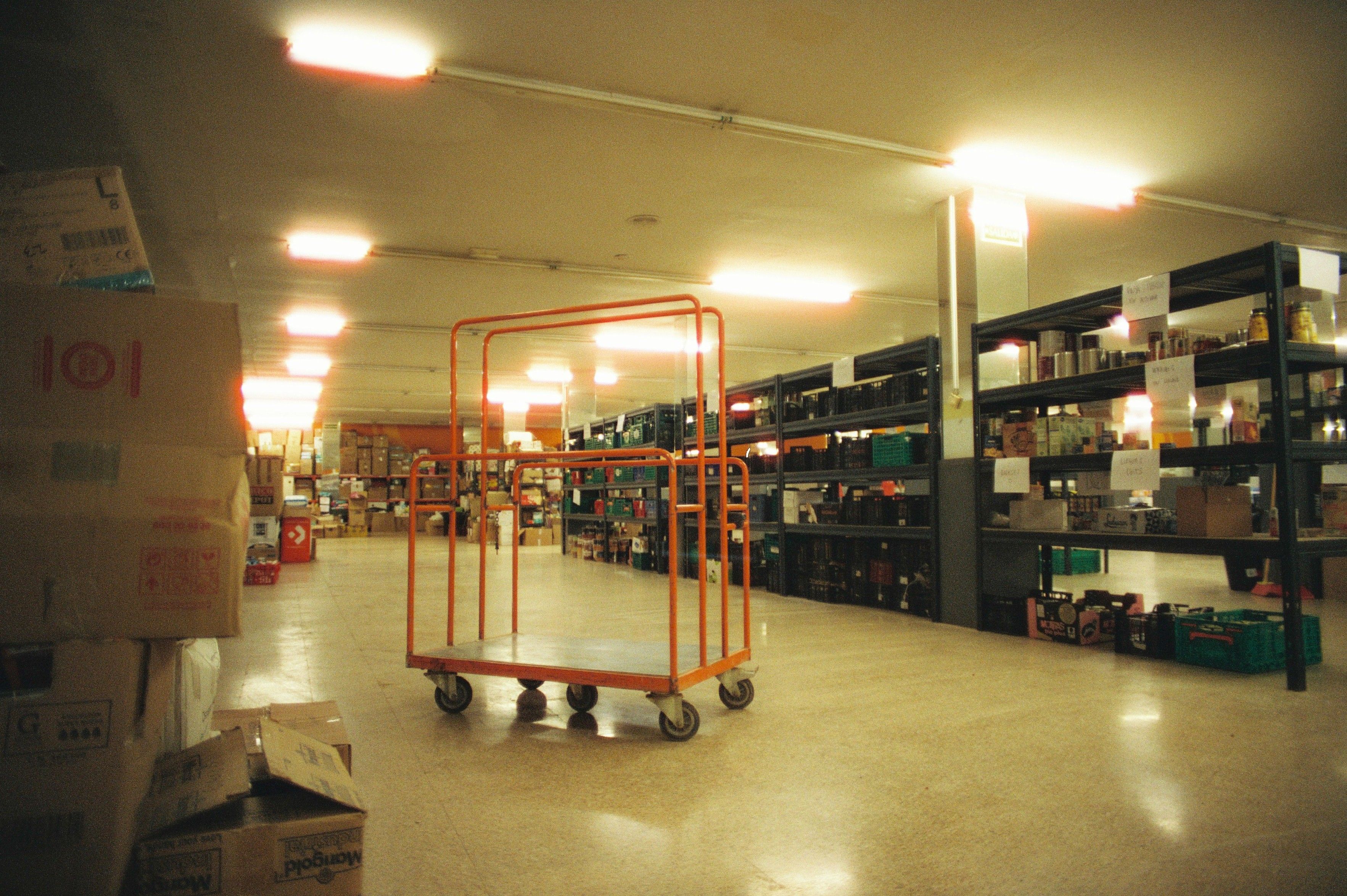


For wholesalers and distributors in 2026, the technology gap is widening. On one side, legacy systems are struggling to keep up with the complexity of modern supply chains, often requiring manual workarounds just to get a quote out the door. On the other, a new generation of wholesale distribution software is leveraging AI to automate the friction points that used to kill productivity.
Whether you are distributing HVAC units, electrical components, steel, or building supplies, your ERP is no longer just a digital ledger. It is the operational brain of your business. If that brain is slow, your entire operation lags.
In this guide, we break down the top ERP systems for 2026, focusing on the features that actually impact your bottom line: real-time inventory accuracy, automated pricing, and cloud-based accessibility.
The industry has moved past the "cloud vs. on-premise" debate. In 2026, a cloud ERP for distributors is the standard. The focus has shifted to how effectively that platform uses data to prevent stockouts and protect margins.
Legacy systems often act as data silos. You might have inventory in one system, CRM in another, and pricing in a spreadsheet. This fragmentation creates "friction": the manual data entry that leads to errors and the quoting delays that lose customers to faster competitors. Modern distribution ERP software solves this by unifying every department into a single source of truth.
VitalGap has emerged as a leader for 2026 by focusing specifically on the needs of HVAC, electrical, and building supplies distributors. Unlike generic ERPs, VitalGap is designed to handle high-SKU environments with complex pricing structures.
Why it stands out:
Prophet 21 remains a powerhouse in the distribution space, known for its deep feature set tailored to traditional wholesale operations.
Key Strengths:
The Friction Point: While powerful, it often suffers from a steep learning curve and a "clunky" user experience that can feel dated compared to newer AI-first solutions.
NetSuite is the go-to for mid-to-large enterprises that need a broad platform covering everything from e-commerce to global financials.
Key Strengths:
The Friction Point: For specialized distributors in steel or building materials, NetSuite can feel "too broad." You may find yourself paying for features you don’t need while still requiring custom configurations for industry-specific requirements like dimensional inventory for steel.
Infor has invested heavily in AI (Infor Coleman) to bring predictive analytics to the warehouse floor.
Key Strengths:
The Friction Point: Implementation can be complex and expensive, often requiring significant consulting hours to get the system tailored to your specific workflow.
Acumatica is known for its flexible pricing model, which doesn't charge per user: a major advantage for growing distributors.
Key Strengths:
The Friction Point: While highly configurable, it lacks some of the deep, out-of-the-box industry logic found in specialized platforms like VitalGap.
Generic ERPs treat a box of nails the same way they treat a complex HVAC system or a heavy load of structural steel. But you know your business is different.
In these sectors, you aren't just selling products; you’re managing thousands of parts and fluctuating copper prices. Distribution ERP software must handle:
VitalGap’s HVAC solutions allow for real-time tracking of these variables, preventing the margin leak that occurs when pricing isn't updated instantly across all channels.
For steel and building supplies distributors, the challenge is often physical. You need an ERP that understands:
Using a unified platform like VitalGap ensures that when a warehouse worker picks a spool of wire or a pallet of drywall, the inventory is updated immediately, and the sales team sees it in real-time. This prevents the "order-cancellation friction" that happens when you sell stock that isn't actually on the shelf.
In 2026, AI is no longer a buzzword; it is a functional tool. Within a modern cloud ERP for distributors, AI should be doing the heavy lifting of data analysis.
For example, VitalGap uses AI to:
You can read more about how this technology is changing the industry in our post on how AI is transforming distribution.
Many distributors stick with legacy ERPs because the thought of migrating is daunting. However, the cost of staying on an outdated system: manual errors, lost productivity, and the inability to attract tech-savvy talent: is often higher than the cost of a move.
The transition to a system like VitalGap is designed to be pragmatic. By focusing on a "plain-talk" interface and industry-specific workflows, the software shapes itself to your business rather than forcing you to change how you operate to fit the software.
Choosing an ERP is a long-term commitment. For 2026, the best systems are those that remove friction and provide clear, actionable data.
Don't let legacy software hold back your growth. Explore how VitalGap unifies your inventory, pricing, and orders by visiting our solutions page.
Ready to see a modern ERP in action? Contact us today for a demonstration of how we can streamline your distribution business for 2026 and beyond.
Whether you're looking to streamline operations, boost efficiency, or drive growth, VitalGap has the solutions you need.


.svg)